
S4 | 27: The Classics I
What Separates The 5% From Everyone Else

Alex Hormozi says we need to be reminded more than we need to be taught.
He’s right.
You already know what to do. The problem isn’t lack of information. It’s lack of implementation. It’s forgetting what matters most when discipline feels hard and excuses feel reasonable.
So these are the reminders. The principles that stood out. The ideas that separate the 5% who transform from the 95% who return to comfort.
Not new information. Brutal honesty.
Because transformation doesn’t come from learning more. It comes from remembering what matters when it gets hard. From installing a new operating system for your life. From refusing to negotiate with the version of yourself you’ve been settling for.
Messages have been pouring in from lots of you. Breakthroughs shared in real time. The uncomfortable realization that years have been spent building monuments of nothingness while others built empires.
This is what happens when people stop making excuses and start making moves.
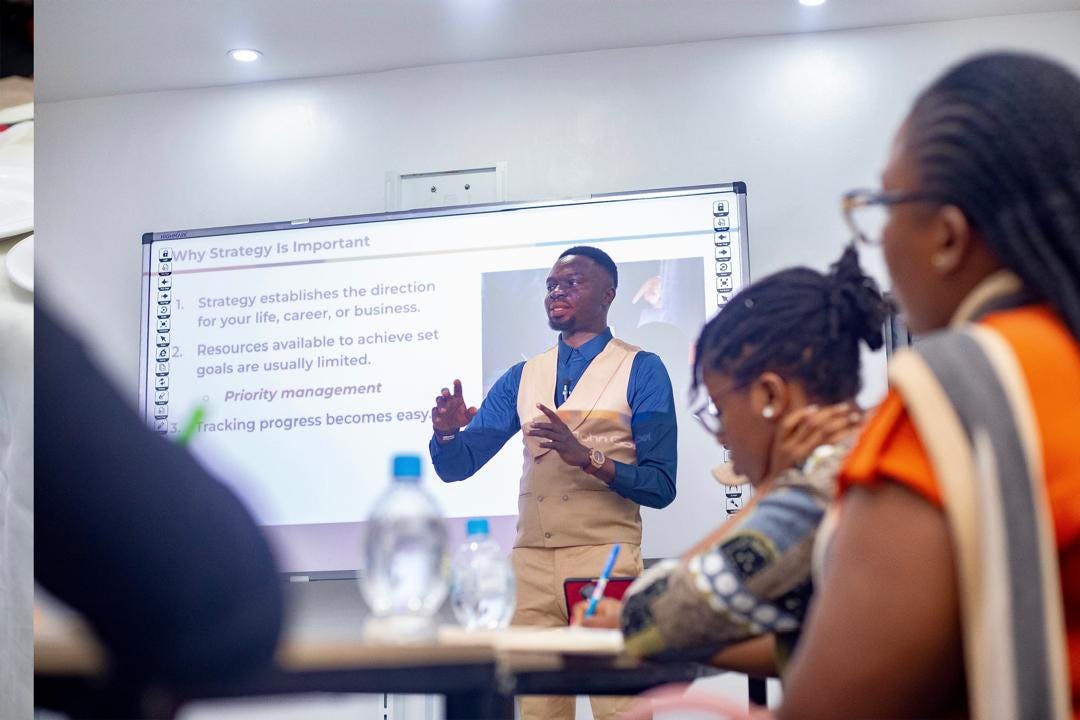
The Dragon You Refuse To Slay Becomes The Prison You Die In
Everyone has reasons.
The broke guy has reasons. The stuck entrepreneur has reasons. The person still in the same place they were last year has reasons.
And those reasons are probably true.
Maybe you didn’t have the right mentor. Maybe the economy tanked. Maybe your family didn’t support you. Maybe someone betrayed you. Maybe life dealt you a brutal hand.
I’m not here to tell you those things didn’t happen.
I’m here to tell you that accepting them as your story is the biggest mistake you’ll ever make.
Because here’s the truth most self-help books won’t tell you: Your reasons don’t matter. Not to the market. Not to your goals. Not to the life you want to build.
Jim Rohn said it best. You can have results or excuses. Not both.
There are people right now who had it worse than you and still won. Worse childhood. Worse finances. Worse health. Worse timing.
And they still found a way.
Not because they got lucky. Not because they were special. Not because they didn’t have obstacles.
Because they made a decision: I refuse to let my circumstances write my story.
That’s the difference between people who transform and people who stay stuck.
One group builds monuments of nothingness with their reasons. The other group builds empires on the ashes of their excuses.
Demosthenes was a stuttering boy with a dead father and stolen inheritance. When he first tried speaking in public, the crowd laughed him off the platform.
He had every reason to stay small.
Instead, he shaved half his head so he’d be too embarrassed to go outside. He locked himself underground with pebbles in his mouth and trained for years until he became Athens’ greatest voice.
Your biggest obstacle might actually be your biggest opportunity. The thing you’re using as an excuse could be the dragon you were meant to slay.
But legends aren’t forged from easy battles. They come from facing the Shadow of Death and refusing to back down.
The graveyard is full of people with good reasons who never did the work.
You Are Only As Good As You Communicate
I grew up timid and painfully shy.
I couldn’t look people in the eye when I spoke to them. My voice would crack. My palms would sweat. Eye contact felt like staring into the sun.
If I saw a woman walking down the same side of the street, I would cross to the other side just to avoid saying hello.
I was a prisoner in my own body. My thoughts were sharp. My ideas were there. But the moment I opened my mouth, everything collapsed.
Then a 9-year-old called me out.
I was panicking about visiting someone on behalf of my church. My pastor’s daughter noticed my anxiety and asked with innocent confusion, “Uncle Gospel, why are you shy?
She genuinely didn’t understand. Because she had never been taught to be shy.
That’s when it hit me: Communication isn’t a genetic gift. It’s a learned skill.
I wasn’t a natural talker because my parents were quiet people. I grew up in an environment where silence was normal.
But if communication is learned, it can be unlearned. And relearned.
So I started training myself. I picked up books. I invested in courses. I studied speakers. I recorded myself. I pushed through the discomfort.
I went from avoiding eye contact on the street to speaking in front of audiences of over a thousand people.
But I wasn’t done learning.
Years later, I landed a remote role at a company I admired. High responsibility. Great pay. Everything I’d worked toward.
I showed up. I did my work. I executed flawlessly.
Then one Monday morning, I got the call. I was being let go.
Not because I lacked competence. Not because I didn’t deliver results.
But because the marketing lead felt I wasn’t contributing enough ideas during meetings.
I was stunned.
I had the expertise. I had the results. But I failed to communicate them.
And it cost me one of the biggest opportunities of my career.
Vinh Giang, one of the world’s top communication experts, says it perfectly: You can be the most skilled person in the room. But if you can’t communicate that skill, it doesn’t matter.
Warren Buffett said improving your communication skills can increase your value by 50% or more.
That’s the difference between being overlooked and being undeniable. Between being passed over and being promoted. Between blending in and standing out.
The market doesn’t reward silent excellence. It rewards communicated excellence.
You don’t have a personality problem. You have a training problem.
And training problems have solutions.
You Cannot Give What You Do Not Have
John Maxwell teaches that leadership is influence. Nothing more, nothing less.
But here’s what most people never grasp:
You cannot give what you do not have.
You can’t teach discipline if you’re undisciplined. You can’t inspire growth if you’re stagnant. You can’t demand excellence if you’re settling for mediocrity in your own life.
People follow who you are, not what you say.
The most influential people ask two questions every single day:
What am I doing to develop myself?
What am I doing to develop others?
These questions become the filter for every decision, every conversation, every use of their time.
Self-investment is the foundation for everything good in life. Your income ceiling is determined by your personal development ceiling. Your leadership capacity is determined by your self-leadership capacity. Your influence on others is determined by your influence on yourself.
Simon Sinek put it this way: Leadership is not about being in charge. It’s about taking care of those in your charge. But you can’t take care of anyone if you haven’t taken care of yourself first.
Most people invest in themselves. They grow. They develop skills, refine character, and build competence.
And then they stop.
They become really good at what they do and stay there. They climb the ladder and forget to bring anyone with them.
That’s not leadership. That’s expertise.
Leadership is influence. And influence doesn’t stop at self-mastery. It multiplies through others.
If you invest in yourself, you get better. Your income increases. Your influence grows. Your impact expands.
But there’s a ceiling. You’re one person. You have 24 hours. You have finite energy.
If you invest in others, they get better. Their income increases. Their influence grows. Their impact expands. And they invest in others.
Now your influence is compounding.
You’re not just making an impact. You’re making an impact on others who multiply the impact.
Simon Sinek calls this The Infinite Game. Great leaders don’t set out to be leaders. They set out to make a difference. It’s never about the role, always about the goal.
And the goal is not just to be the best. It’s to make others better.
Leaders who only grow themselves build careers. Leaders who grow others build movements.
Your influence outlives you when people shaped by you are shaping others. Ideas you taught are being taught by people you’ll never meet.
That’s legacy.
Growth Is The Only Guarantee That Tomorrow Will Be Better Than Today
Most people never understand this: Your life isn’t one thing. It’s seven.
Think about your body. You have a respiratory system. A digestive system. A nervous system. A circulatory system. All these systems work together to keep you alive.
But if one fails, the whole body suffers.
Your personal development works the same way. There are key areas of growth you cannot neglect.
If you do, the deficiency in one area becomes visible everywhere.
You can be great at business but terrible at relationships, and your business will suffer. You can be brilliant in communication but weak in leadership, and no one will follow you. You can make money but have no financial literacy, and you’ll stay broke no matter how much you earn.
Growth must be holistic. Or it will be hollow.
The seven compartments:
Spiritual. Physical. Leadership. Communication. Business. Finance. Relationships.
These compartments have mutual influence. Your physical development affects your leadership capacity. Your communication skills accelerate your business growth. Your financial literacy protects your business profits.
You can’t neglect one without damaging the others.
But here’s the critical insight: You don’t develop all seven at once.
Smart investors don’t put equal money into every stock. They analyze where the highest return is and invest heavily there.
The same principle applies to personal growth.
Ask yourself two questions:
Which compartment, if I invested in it right now, would have the biggest impact on my life outcomes?
Which compartment is currently my biggest bottleneck?
That’s your highest ROI area. Give it 50 to 70 per cent of your focus for the next 90 days.
Focus wins. Spread losses.
Over time, you’re developing all seven. But with strategic intensity on what produces real results.
John Maxwell teaches that growth is the only guarantee that tomorrow will be better than today. Not one of the guarantees. The only guarantee.
If you’re not growing, you’re not standing still. You’re regressing.
Skills decay. Relationships fade. Opportunities pass. Confidence erodes.
The person who is not growing is doomed to a declining life.

This is part one of the classics.
PS: These are the reminders that separate transformation from temporary inspiration. The principles that determine whether you’re building monuments of nothingness or empires that outlive you.
No days off. Stay strong.
— Multidimensionally yours, JG
The person who is not growing is doomed to a declining life.
When man stop learning/growing, he start dying!
Your biggest obstacle might actually be your biggest opportunity. The thing you’re using as an excuse could be the dragon you were meant to slay.
This🔥🔥